
Nian Gao (which we also call Gau in Hawaii) is a delicious Lunar New Year tradition. This lucky and sticky steamed rice cake dessert can be purchased at local markets. It is also easy to make at home with pantry ingredients!
P.S. You can make and eat gau all year long, but it's extra popular during the New Year season ^_^
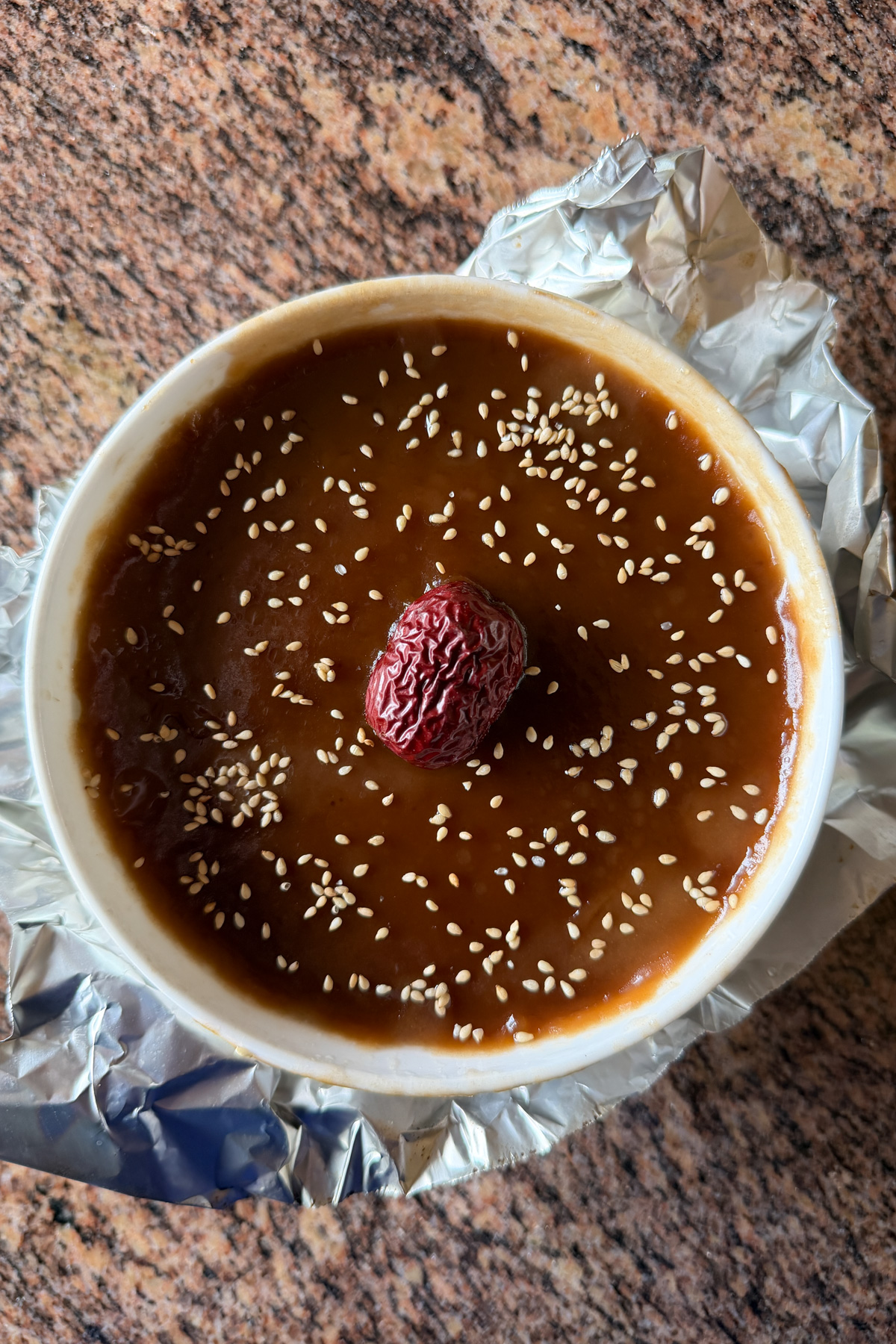
Lunar New Year = Nian Gao (Gau) season!
In Hawaii, we call this Gau. Everywhere else in the world calls it Nian Gao. Both ways of spelling are correct. Main thing is that you eat and enjoy it.
What exactly is gau? It's a steamed, sticky cake made from mochiko (sweet rice flour) and Chinese brown brick sugar (which is also called slab sugar).
We eat it during the Lunar New Year season to bring good luck:
- The pronunciation of "nian gao" is similar to "higher year." Gifting and eating gau represents a better year ahead.
- The sticky texture of gau ensures that you "stick" with your loved ones ^_^
Note: "Traditional" gau is always steamed. But there are also "modern" versions of gau that are baked. The baked version reminds me of butter mochi.
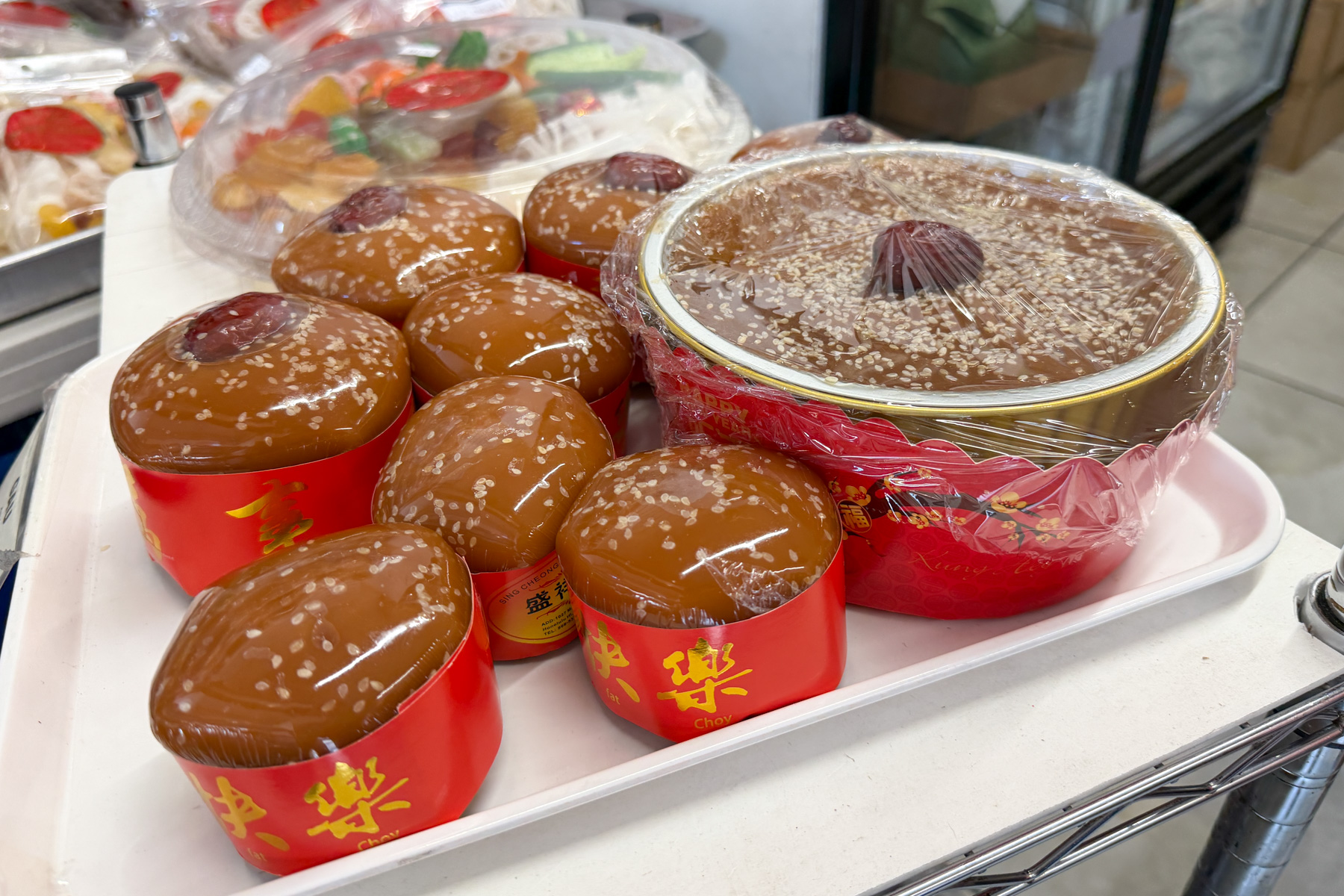
In the weeks leading up to Lunar New Year, many local shops and bakeries offer fresh steamed gau. Pictured above is the gau selection at Sing Cheong Yuan Bakery in Chinatown. They have three sizes: mini, regular, and large!
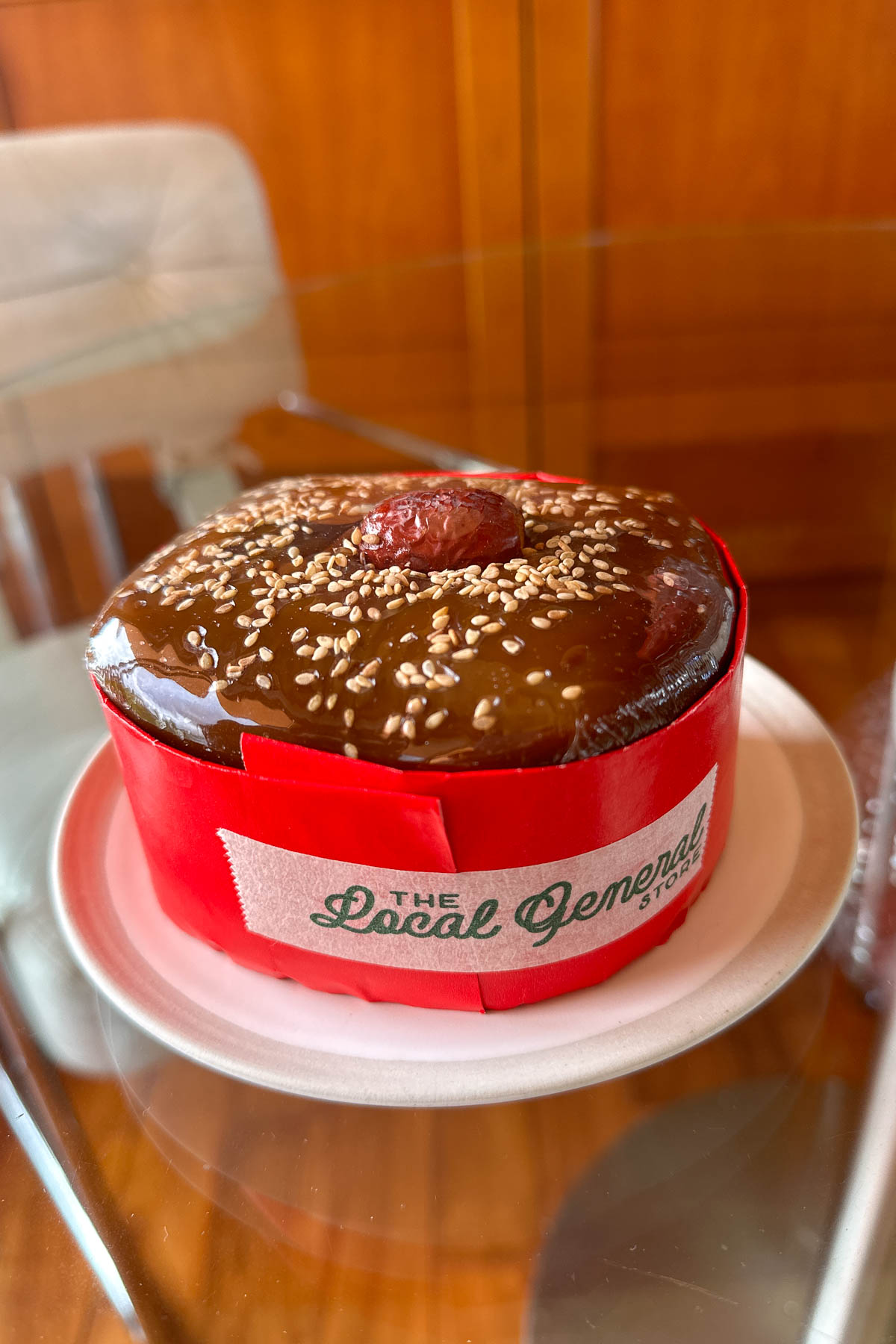
The Local General Store in Kaimuki also makes beautiful gau with local Manoa honey, it's super tasty. They steam the gau in molds lined with fresh ti leaves.
Every new year I like to buy gau and I like to make gau. Here's how to make it!
Ingredients
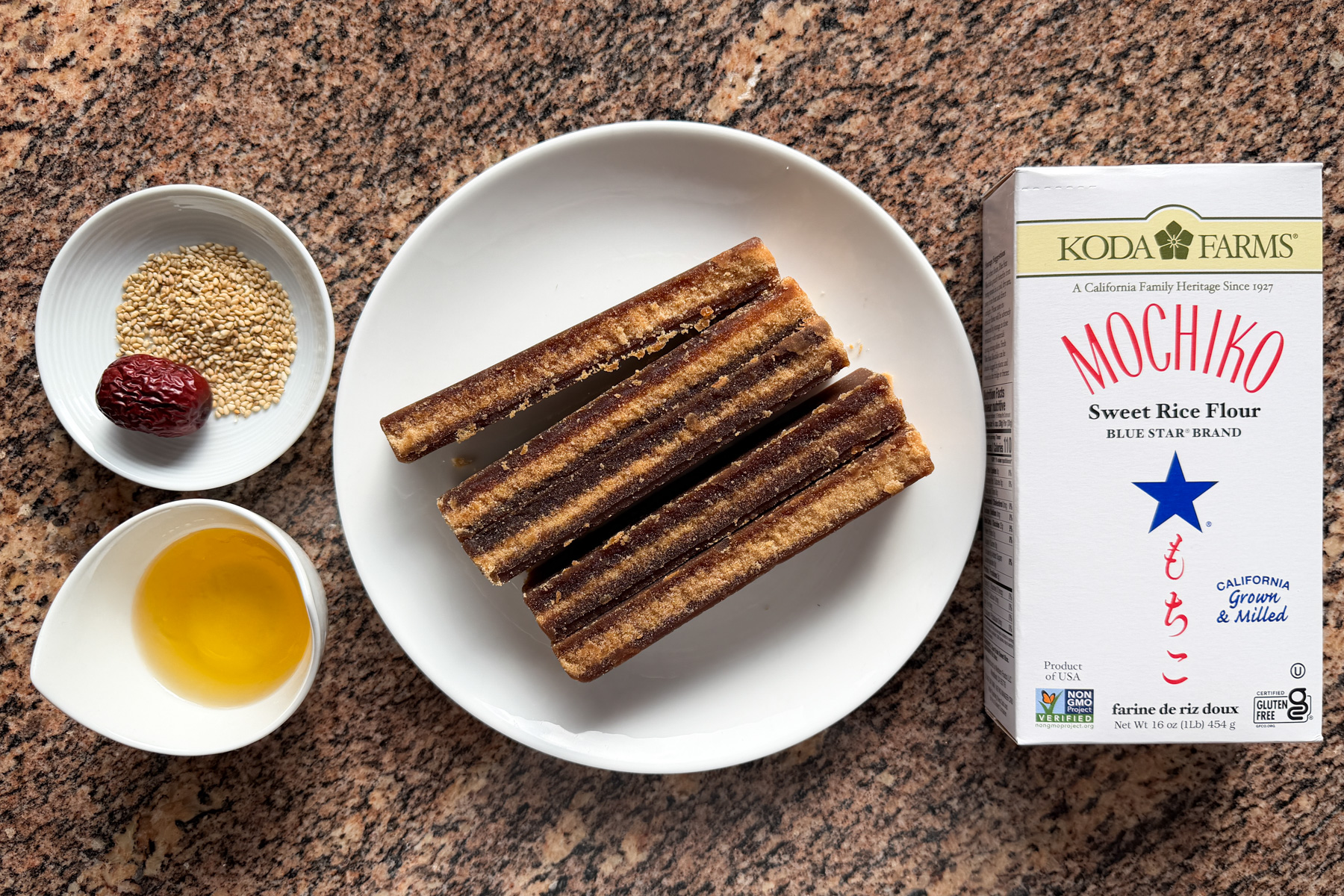
Here's what you'll need:
- Water
- Chinese brown brick sugar (slab sugar)
- Ginger - optional but tasty
- Mochiko
- Neutral oil - like vegetable oil or avocado oil
- Chinese red dates (jujubes)
- Roasted sesame seeds
Instructions
Let's get cooking!
Make the water-sugar mixture.
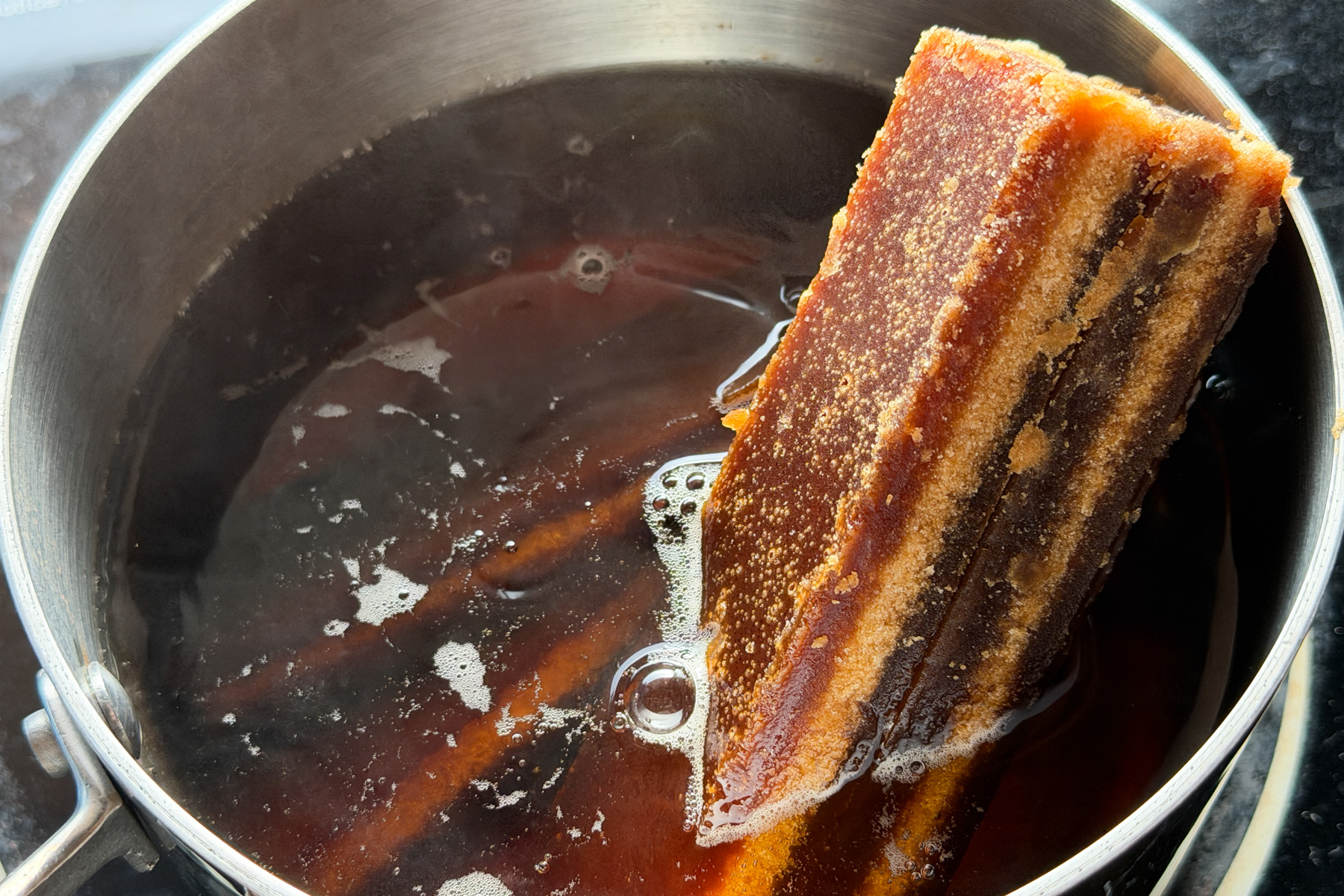
Bring 2.5 cups of water in a small pot to a boil. Add the Chinese brown brick sugar (which is also called slab sugar), and gently stir to dissolve.
*If you are using ginger, add the ginger slices to water and bring to a boil. Let the water and ginger boil together for 3 minutes before adding the sugar.
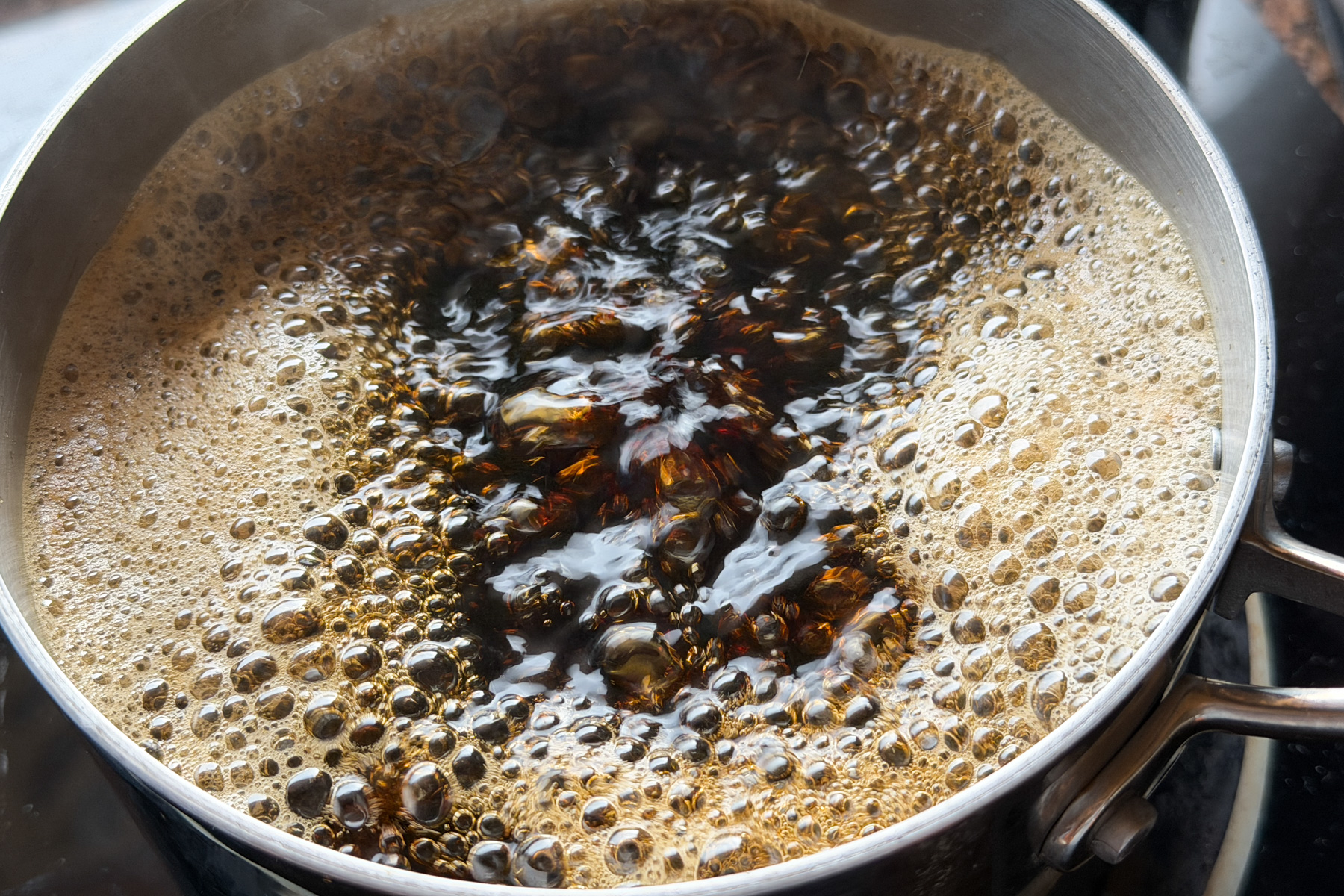
Let cool to room temperature.
Once the sugar is fully dissolved, remove the pot from heat. Set aside and let cool to room temperature. Then remove the ginger (if using).

Sift mochiko.
Sift the mochiko flour into a large mixing bowl. Don't skip this step! Sifting will help ensure that you have a smooth, non-lumpy batter.

Add the water-sugar mixture.
Gradually pour in the water-sugar mixture. Make sure the water-sugar mixture is at room temperature before you mix it with the mochiko flour.
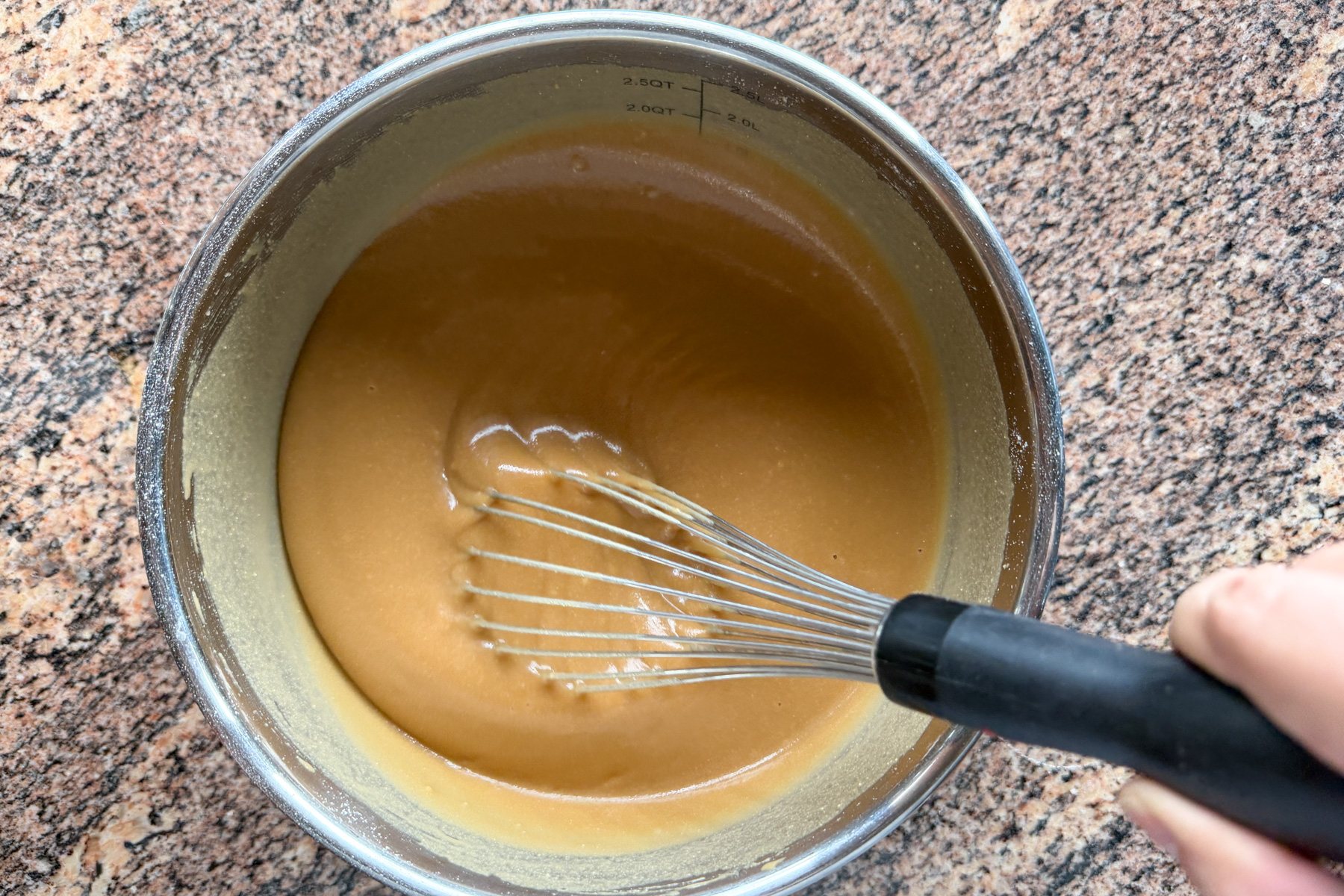
Stir, stir, stir.
Stir until the mixture is completely smooth, no lumps. I use a whisk for this step (a hand mixer is also good).
Stir in the oil until everything is evenly mixed. Set aside.
Prepare the pan/bowls.
Lightly grease (with neutral oil) the pan/bowls that you will use to steam the gau.
You can steam this gau recipe in a single pan, look for a 6 or 7-inch pan. Or steam the gau in multiple bowls (which is what I like to do). Use what you have, no need to buy a new pan for this recipe.
Just make sure that it is round, for good luck! For the recipe pictured in this post, I steamed the gau in two noodle soup-sized bowls.
Prepare the steamer.
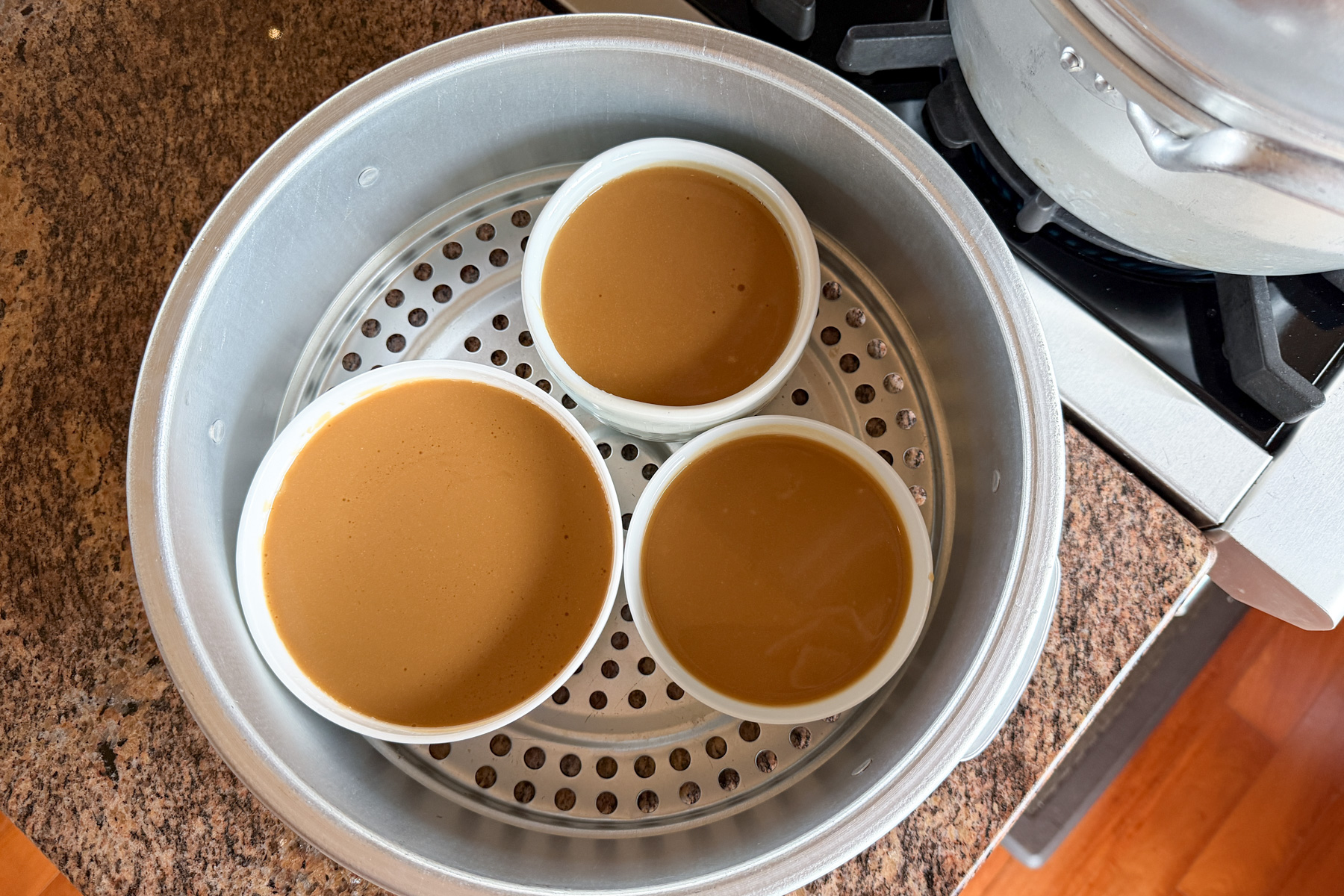
Set up your steamer (I use one like this) and bring the water to a boil.
While you wait for the water to boil, pour the gau mixture into the greased pan/bowls. Gently cover with foil.

Steam away!
Once the water boils, steam the gau for 2-3 hours over medium-high heat. The actual steam time depends on the size of the pans/bowls that you use. When dividing this recipe between two bowls, I steamed for a total of 3 hours.
I recommend checking for doneness at the 2 hour mark. Poke a toothpick in the center of the gau (please be careful of the heat/steam!) If the toothpick comes out clean, the gau is done cooking.
Top with a Chinese red date and sesame seeds.
Carefully remove the gau from the steaming pot. Then gently press a Chinese red date in the center and top with a sprinkle of roasted sesame seeds ^_^
FAQ and Tips
Gau keeps up to 3 days at room temperature. After that, you need to refrigerate it (or else it will mold).
Once you refrigerate gau, it becomes hard/firm in texture. No worries!
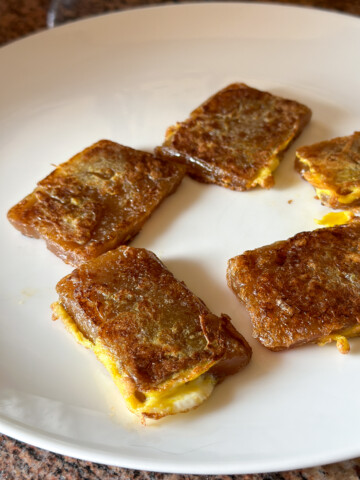
You want leftover gau so that you can make an extremely tasty snacks called Pan-Fried Nian Gao (Gau).
We often make or buy extra gau for the sole purpose of being able to make pan fried nian gao!
Make sure to loosely cover the pan/bowl with foil before steaming. This ensures that 1) you get a more smooth surface on the gau and, 2) helps prevent condensation from dripping on the gau while cooking.
If you have a hand mixer, use it! I don't have a hand mixer at home so just used a regular whisk. It took about 10 minutes of hand whisking, but only takes a couple minutes with a hand mixer. You want to mix until there are absolutely no lumps and the mixture is completely smooth.
You need the hot water and brown brick sugar to be at room temperature before you mix it with the mochiko flour. It takes about 30 minutes for the mixture to fully cool down.
What if you don't have an extra 30 minutes to wait? Do this:
Instead of boiling 2.5 cups of water to melt the sugar, boil only 1.5 cups of water to melt the sugar. Once the sugar is fully dissolved in the hot water, remove from heat and then add 1 cup of cold water. This will help cool the mixture down much faster (about 5 minutes wait instead of 30 minutes).
Nian Gao (Gau) Recipe

Nian Gao (Gau) - New Year Rice Cake
Ingredients
- 2.5 cups water
- 1 pound Chinese brown brick sugar (slab sugar)
- 1 1-inch knob ginger, peeled and cut into three slices optional but tasty
- 1 pound mochiko
- 2 tablespoons neutral oil like vegetable oil or avocado oil
- 2 Chinese red dates (jujubes)
- 1 teaspoon roasted sesame seeds
Instructions
- Bring 2.5 cups of water in a small pot to a boil. Add the Chinese brown brick sugar (which is also called slab sugar), and gently stir to dissolve.*If you are using ginger, add the ginger slices to water and bring to a boil. Let the water and ginger boil together for 3 minutes before adding the sugar.
- Once the sugar is fully dissolved, remove the pot from heat. Set aside and let cool to room temperature. Then remove the ginger (if using).
- Sift the mochiko flour into a mixing bowl. Gradually pour in the water-sugar mixture. Make sure the water-sugar mixture is at room temperature before you mix it with the mochiko flour.
- Stir until the mixture is completely smooth, no lumps. I use a whisk for this step (a hand mixer is also good).
- Stir in the oil until everything is evenly mixed. Set aside.
- Lightly grease (with neutral oil) the pan/bowls that you will use to steam the gau.You can steam this gau recipe in a single pan, look for a 6 or 7-inch pan. Or steam the gau in multiple bowls (which is what I like to do). Use what you have, no need to buy a new pan for this recipe.Just make sure that it is round, for good luck! For the recipe pictured in this post, I steamed the gau in two noodle soup-sized bowls.
- Set up your steamer (I use one like this) and bring the water to a boil.
- While you wait for the water to boil, pour the gau mixture into the greased pan/bowls. Gently cover with foil.
- Once the water boils, steam the gau for 2-3 hours over medium-high heat. The actual steam time depends on the size of the pans/bowls that you use. When dividing this recipe between two bowls, I steamed for a total of 3 hours. I recommend checking for doneness at the 2 hour mark. Poke a toothpick in the center of the gau (please be careful of the heat/steam!) If the toothpick comes out clean, the gau is done cooking. Carefully remove the gau from the steaming pot. Then gently press a Chinese red date in the center and top with a sprinkle of roasted sesame seeds ^_^
miss this so much! hope this year will be good to you & your family:)
Thank you, Kat! Wishing you and Satoshi a very Happy New Year! ^_^
Kathy